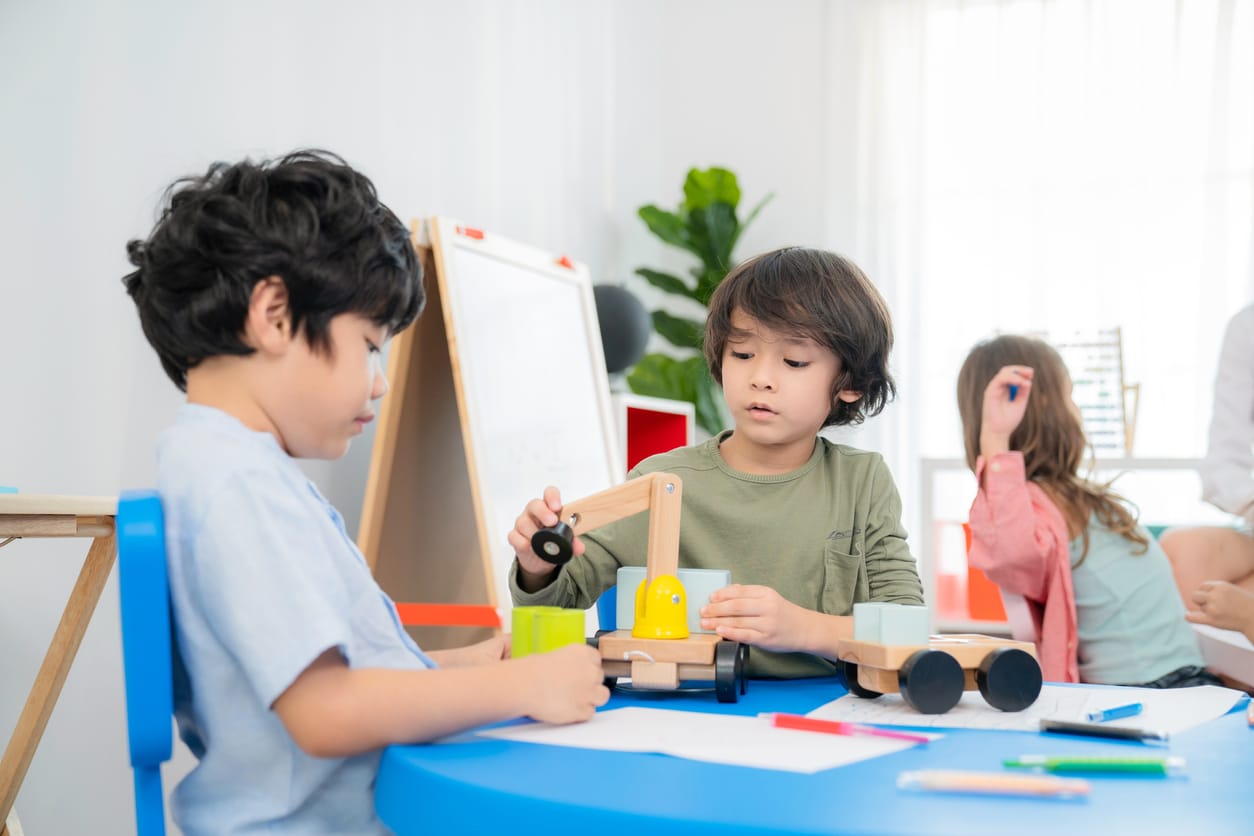
Do you dream of seeing your child confident, responsible, capable of making decisions and leading those around him in a positive way? A leadership personality is not only born with the child, but is built with upbringing, experience and continuous support. Here are 10 practical and well-thought-out steps that will help you develop your child’s leadership personality in a balanced and healthy way, with real-life examples to apply in your daily life.
10 practical steps to develop your child’s leadership skills
Encourage Expression of Opinion
Give your child the opportunity to express their opinion, even on simple matters.
For example, ask them: “What do you think, should we choose this shirt or that one?” or “Which restaurant would you prefer we go to?”
This boosts their self-confidence and teaches them that their opinion matters..
2.Teach him responsibility
Start by giving him simple daily tasks and let him experience the consequences of his negligence without immediate intervention.
For example, ask him to feed the pet or tidy his room. If he forgets, remind him later and discuss the consequences.
These tasks instill discipline and self-reliance.
3.Develop his communication skills
Help him express his feelings and thoughts clearly and respectfully when speaking.
Example: Train him to say “please” and “thank you,” and discuss this with him after a social situation:
“How did you talk to your friend? Did you listen to him?”
Communication skills are the foundation of successful leadership.
4.Be his first role model
Children imitate more than they hear. Be a model of positive leadership.
Example: If you make a mistake, apologize in front of him: “I’m sorry, I should have been calmer.”
This teaches him that a leader admits his mistakes and learns from them.
5.Boost his self-confidence
Praise him for his effort, not just the result, and celebrate his achievements, no matter how small.
Example: If he draws a picture that isn’t perfect, say: “I like your idea; it’s clear you put a lot of effort into it!”
This reinforces his positive self-image.
6.Encourage him to solve problems.
Instead of giving him the solution, ask for his opinion on the situation and discuss it with him.
Example: If he has a fight with his sibling, say: “What do you think? How can you resolve this in a way that satisfies both of us?”
This helps him develop critical thinking and a sense of responsibility.
7.Teach him to respect others.
A successful leader respects those around him and appreciates differences.
Example: When you meet someone who is different, talk to him about the importance of accepting others.
Praise him when he uses respectful words like “excuse me” and “please.”
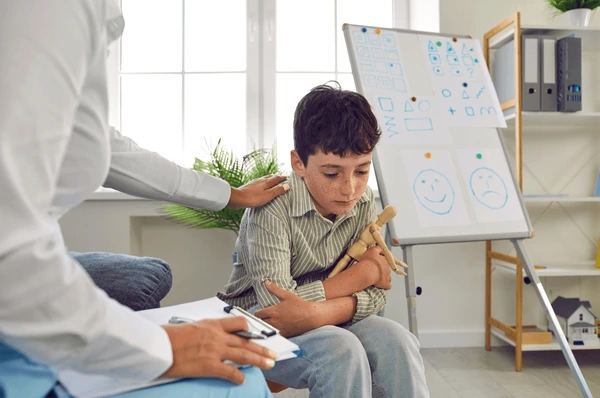
8.Give him leadership opportunities
Give him age-appropriate roles and responsibilities.
For example, make him the team leader in play, or the one responsible for packing his travel bag.
These roles foster a sense of importance and responsibility.
9.Teach him to accept failure and learn from it.
Failure is not the end of the road, but a step towards success.
Example: If he loses a game, ask him, “What did you learn? And how will you do it differently next time?”
This is how he learns resilience and transforms experience into growth.
10.Encourage him to take initiative.
Support his new ideas and encourage him to implement them.
Example: If he suggests organizing a family activity, say, “Great idea! How do you plan to do it?”
Small initiatives make great leaders.
Nclusion
Building leadership qualities in a child doesn’t require rigid methods or direct instruction, but rather a supportive environment, constant encouragement, and a safe space for trial and error. Every word you say, every situation you experience with them, is an opportunity to cultivate tomorrow’s leader.
Start today, and you’ll see the difference tomorrow.