
Aggressive behavior in school is one of the most concerning challenges for parents and teachers. When a child is observed hitting, yelling, threatening, or bullying their classmates, many questions arise: Is this normal? What is the reason? And how can we intervene effectively without negatively impacting their mental well-being?
In this article, we review the causes of school aggression in children, and the best educational methods for dealing with it.
First: What is aggression among children at school?
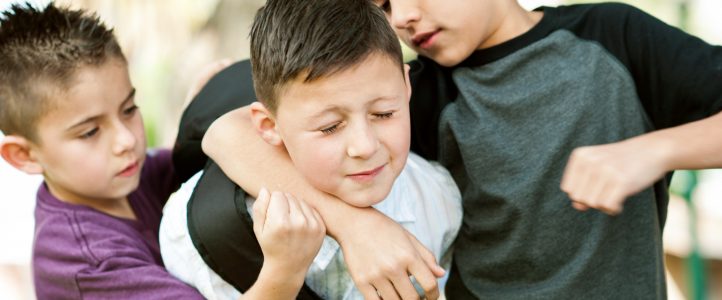
Aggression is a recurring behavior characterized by causing physical or psychological harm to others, and it manifests in various forms, including:
- Hitting or pushing
- Insults and shouting
- Bullying or threatening
- Violent damage to others’ property
Second: What are the reasons for this behavior?
1. Problems in the family environment
Ongoing disagreements between parents, or the use of violence as a means of discipline, may directly affect a child’s behavior at school.
2. Poor social skills
Some children do not know how to express their feelings or ask for what they want in an appropriate way, so they resort to aggressive behavior.
3. Jealousy or lack of self-confidence
The child may feel unappreciated or overly competitive, so he tries to impose himself by force.
4. Imitation or influence by violent content
Violent movies or video games may play a major role in reinforcing this type of behavior.
5. Behavioral or developmental disorders
In some cases, aggression is a symptom of disorders such as attention deficit hyperactivity disorder (ADHD) or oppositional defiant disorder (ODD).
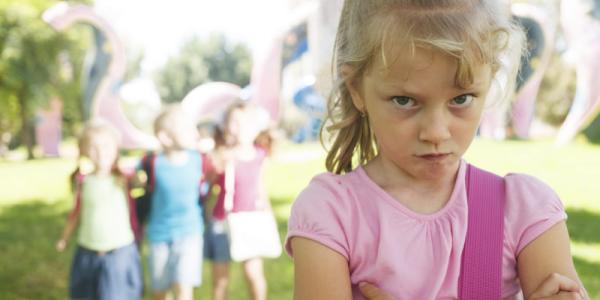
Third: How do we deal with an aggressive child at school?
1. Calm and de-escalation
Yelling or harsh punishment can increase aggressive behavior. It’s best to calmly address the behavior, not the child as a person.
2. Talk to the child to understand the reason
Ask him calmly: “What made you angry? Why did you hit him?” Sometimes it is enough for the child to feel that someone understands him.
3. Teaching him behavioral alternatives
Train him to use alternative words such as: “I am angry because you took my pen” instead of hitting, and teach him problem-solving skills.
4. Promoting positive behavior
Praising him when he behaves kindly towards his colleagues or asks for help in a good way encourages the repetition of those behaviors.
5. Cooperation between home and school
It is essential that parents and teachers work together, with the involvement of the student counselor or psychologist if necessary.
6. Request a professional assessment when needed
If the behavior continues excessively or affects his relationships and academic performance, it is preferable to consult a child behavior or mental health specialist.
conclusion
Aggression in a child is not necessarily a sign of a “bad child,” but is often a cry for help or an expression of a need that has gone ununderstood. With understanding, dialogue, and proper guidance, this behavior can be transformed into an opportunity to build a strong and balanced personality.